
The Dangers of Skipping Oil Changes: What You Need to Know
Have you ever put off an oil change longer than you should have? Many drivers do—life gets busy, and it’s easy to ignore that little sticker on the windshield or the maintenance reminder on your dashboard. However, skipping oil changes isn’t just a minor oversight; it can lead to serious trouble under your car’s hood. Engine oil plays a crucial role in keeping your vehicle running smoothly, and neglecting this basic maintenance can result in increased engine wear, overheating, and even engine failure over time.
At Sam’s Auto Repair & Sales LLC, a trusted destination for expert auto repair services and quality used cars in Harrisburg, PA, the team often sees firsthand the damage that delayed oil changes can cause. They provide transparent estimates, competitive pricing, and a wide range of auto services to help customers stay on top of essential maintenance like oil changes. The team is customer-focused and committed to keeping vehicles in peak condition for the long haul.
In this article, we’ll explain why regular oil changes are so important, clear up common misconceptions, highlight signs that your car needs an oil change, and discuss the long-term consequences of skipping this service. By understanding these dangers, you can protect your engine’s health and avoid costly repairs down the road.
Why Regular Oil Changes Are Important
Motor oil is often called the “lifeblood” of your engine, and for good reason. It performs several essential functions to keep your engine healthy:
- Lubrication of Moving Parts: Inside an engine, dozens of metal components move at high speeds. Oil coats these parts and provides a slippery film so they can glide over each other without grinding. Without proper lubrication, metal parts would rub directly together, causing intense friction, wear, and heat buildup that can quickly lead to damage. Fresh oil ensures that all those pistons, bearings, and camshafts move smoothly, greatly reducing the risk of overheating and minimizing wear and tear.
- Cooling the Engine: Your car’s cooling system (radiator, coolant, etc.) isn’t the only thing keeping engine temperatures in check. Oil also helps disperse and carry away heat from the combustion process. As it circulates, oil absorbs heat from engine components. Over time, oil breaks down and becomes less effective at temperature control. Regular oil changes replenish the oil so your engine stays properly cooled, preventing overheating that could damage critical parts.
- Cleaning and Protecting: As oil flows through the engine, it picks up tiny particles of dirt, carbon, and metal shavings. The oil and filter work together to trap and suspend these contaminants, keeping them away from sensitive engine areas. Eventually, however, the oil gets saturated with debris and can form sludge – a thick, tar-like residue that clogs passageways. Routine oil changes flush out dirty oil and replace it with clean oil, removing contaminants and preventing sludge buildup. This keeps your engine internals cleaner and ensures oil can circulate freely.
- Better Performance & Fuel Efficiency: Clean oil helps your engine run smoothly with less effort. Old, dirty oil is thicker and makes the engine work harder to pump it. You might notice reduced power or sluggish acceleration when your oil is past its prime. In fact, over-contaminated oil can lead to a decrease in fuel economy because the engine isn’t running as efficiently. By keeping up with oil changes, you help the engine maintain optimal performance, which can save you money at the gas pump.
- Longer Engine Life: Perhaps most importantly, regular oil changes dramatically extend the life of your engine. When all the moving parts are well-lubricated and running at normal temperatures, there’s far less wear and stress on the engine. Over the months and years, that adds up to a significant difference. Clean oil prevents the kind of excessive friction that can cause critical components to fail. In contrast, neglecting oil changes allows damage to accumulate. Simply put, fresh oil is cheap insurance against a blown engine or costly overhaul. By investing a little in maintenance now, you avoid major expenses later and help your engine reach its full longevity.
What Happens to Your Engine When You Skip Oil Changes
Skipping an oil change once might not blow up your engine immediately, but it starts a dirty and dangerous chain reaction inside your motor. Here’s what can happen when you neglect this upkeep:
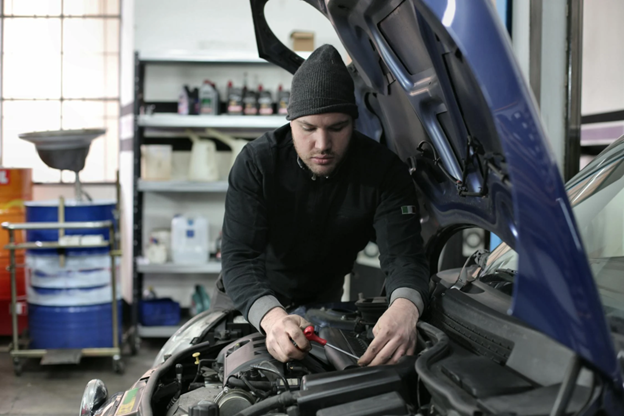
- Oil Breakdown and Sludge Formation: Engine oil doesn’t last forever. It degrades due to heat and collects more and more contaminants the longer it runs. If you skip oil changes, the oil can become thick like mud (often called sludge). Sludge is extremely harmful – it can stick to engine parts, clog oil passages, and starve moving components of lubrication. With sludge blocking the flow, fresh oil can’t reach bearings and gears, leading to metal-on-metal contact.
- Increased Friction and Wear: Without enough clean oil, engine parts begin to grind together instead of gliding. Vital components like piston rings, camshafts, and crankshaft bearings wear down much faster. You might not notice this wear right away, but over thousands of miles the damage accumulates. The engine may start losing performance as its precision metal parts become worn and less efficient. In severe cases, parts can overheat and warp due to friction.
- Overheating and Component Failure: Oil also helps with cooling, so old or low oil puts your engine at risk of overheating. An overheating engine can cause all sorts of problems. One common failure from excessive heat is a blown head gasket, which happens when the gasket sealing your engine’s cylinders fails. This repair is extremely labor-intensive (the engine must be partially disassembled) and expensive, yet it could be prevented by keeping the oil fresh to help manage engine temperature. Even more catastrophic, prolonged oil neglect can generate heat so intense that the engine’s internal parts seize up. A seized engine is one that has literally locked itself together due to oil starvation – and it usually means the engine is destroyed. At that point, the only fix is to replace the entire engine, a cost that can run into thousands of dollars for parts and labor.
- Lower Performance and Efficiency: Long before your engine reaches the point of seizure, you’ll likely feel other effects. As dirty oil thickens, the engine has to work harder to overcome the resistance. You may notice a drop in horsepower or sluggish acceleration, especially when going up hills or trying to pass on the highway. The strain can also make the engine run less efficiently, meaning you burn more fuel to go the same distance. Essentially, neglecting oil changes can make your smooth-running car feel old and tired: louder, weaker, and thirstier for gas.
In short, skipping oil changes is a bit like running a marathon without water – your engine becomes parched of the lubrication and cooling it desperately needs. The damage might not be obvious right away, but it is definitely happening inside. Over time, that damage can lead to breakdowns and hefty repair bills that far exceed the cost of just getting the oil changed on schedule.
Long-Term Consequences of Neglecting Oil Changes
Neglecting oil changes isn’t just a short-term risk – it can have dire long-term consequences for your vehicle. Consistently skipping this maintenance will dramatically shorten your engine’s lifespan and could hit your wallet hard in the future:
- Engine Wear and Damage Accumulate: Today’s engines are built to last for well over 100,000 miles, sometimes 200,000 or more, if properly maintained. But if you rarely change the oil, you are essentially shaving off chunks of that potential life. The constant friction and overheating from dirty or insufficient oil act like an invisible enemy, grinding down engine components bit by bit. Over years of poor maintenance, you might face problems like worn-out piston rings, scoring on cylinder walls, damaged crankshaft bearings, and valve train issues. In fact, using cheap oil or changing it too infrequently can lead to wear on piston rings, valve damage, or timing component failure – all expensive repairs that typically don’t occur so soon in a well-maintained engine.
- Risk of Major Engine Failure: The ultimate price for oil neglect is a blown or seized engine. We mentioned earlier how sludge can cause oil starvation and potentially seize an engine. If you keep postponing oil changes, the odds of a catastrophic failure go up. An engine that seizes due to oil failure often cannot be repaired cost-effectively; it usually requires a full replacement. To put that in perspective: replacing an engine is one of the most expensive repairs a car can need, often running in the thousands of dollars range. Many drivers are shocked to learn that a $40 oil change could have saved them from a $4,000 engine replacement. It’s truly a penny-wise, pound-foolish tradeoff. Even if the engine doesn’t seize, major components like turbochargers (on cars that have them) or camshafts can fail from oil starvation, leading to hefty bills.
- Voiding Your Warranty: If your vehicle is newer and under a manufacturer’s warranty, neglecting oil changes can come back to haunt you in another way. Automakers require that you follow the maintenance schedule (or at least a reasonable interval) to keep warranty coverage. If an engine problem arises and you haven’t changed the oil in a very long time, the manufacturer might deny your warranty claim. Essentially, by skipping oil changes, you could lose out on warranty protection, leaving you to pay out-of-pocket for repairs that would have been covered.
- Lower Resale Value: Think ahead to when you might sell or trade in your car. One of the first things experienced buyers or dealers look at is the maintenance history. A car that has evidence of regular oil changes is likely to fetch a better price than one that’s been neglected. On the flip side, if your engine is sludged up or making odd noises because of poor maintenance, the value of the car drops dramatically. Buyers know they might be inheriting future engine troubles, so they’ll pay less. Keeping up with oil changes is part of protecting your investment in your vehicle.
In the long run, skipping oil changes simply doesn’t pay off. The small amount of time and money saved in the short term can lead to exponentially higher costs later. It’s like skipping dentist appointments – eventually, those small cavities turn into root canals or worse. Likewise, ignoring oil changes turns minor wear into major mechanical failures. The good news is that these outcomes are completely avoidable. Regular oil changes, along with other basic maintenance, give your car the best chance of a long, trouble-free life.
Conclusion: Protect Your Engine and Your Wallet
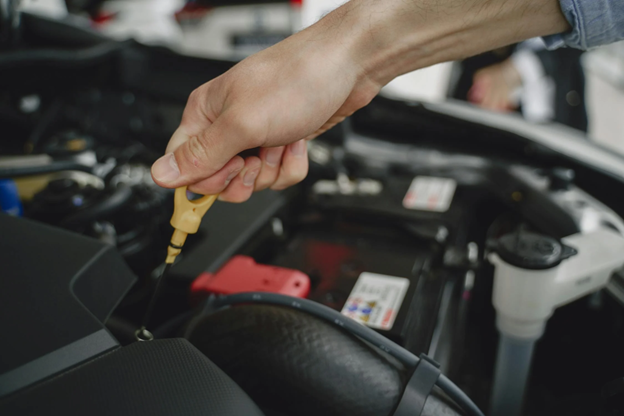
The dangers of skipping oil changes are clear: from diminished performance and fuel efficiency to severe engine damage and expensive repairs, the cost of neglect is far greater than the cost of regular maintenance. Oil changes are a simple, relatively inexpensive service that can save you thousands of dollars and a lot of headaches in the long run. By staying on top of oil changes, you ensure your engine stays lubricated, cool, and clean inside, allowing your car to deliver reliable performance year after year.
Don’t wait until you hear your engine knocking or a warning light flickers on – be proactive and take care of your car’s oil needs. If you’re in the Harrisburg, PA area, one of the best things you can do for your vehicle is to schedule a service with Sam’s Auto Repair & Sales LLC.
Sam’s is a trusted local shop known for expert auto repair services and even thoroughly inspected used cars for sale. Their customer-focused team will provide you with transparent estimates and competitive pricing, whether you’re coming in for a quick oil change or any other auto service. They truly have a passion for keeping vehicles in peak condition, and it shows in the quality of their work.
Take the step to protect your engine today – schedule your next oil change with Sam’s Auto Repair & Sales LLC in Harrisburg, PA. With friendly, knowledgeable technicians and honest service, Sam’s will help keep your car running smoothly and give you peace of mind on the road. Your car’s engine will thank you, and your future self will too!