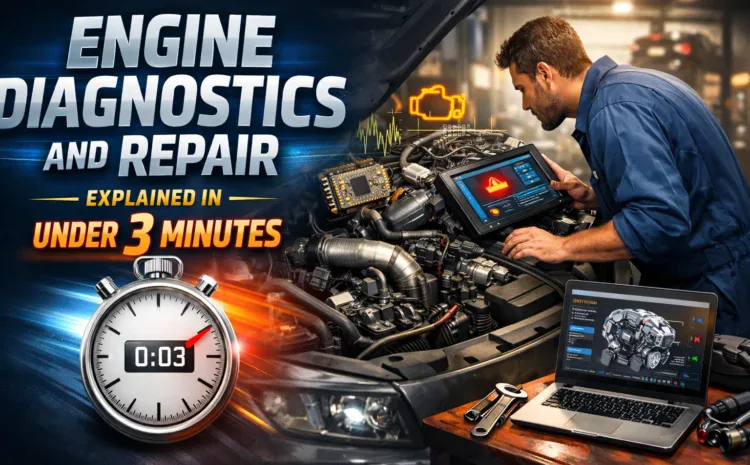
Engine Diagnostics and Repair Explained in Under 3 Minutes
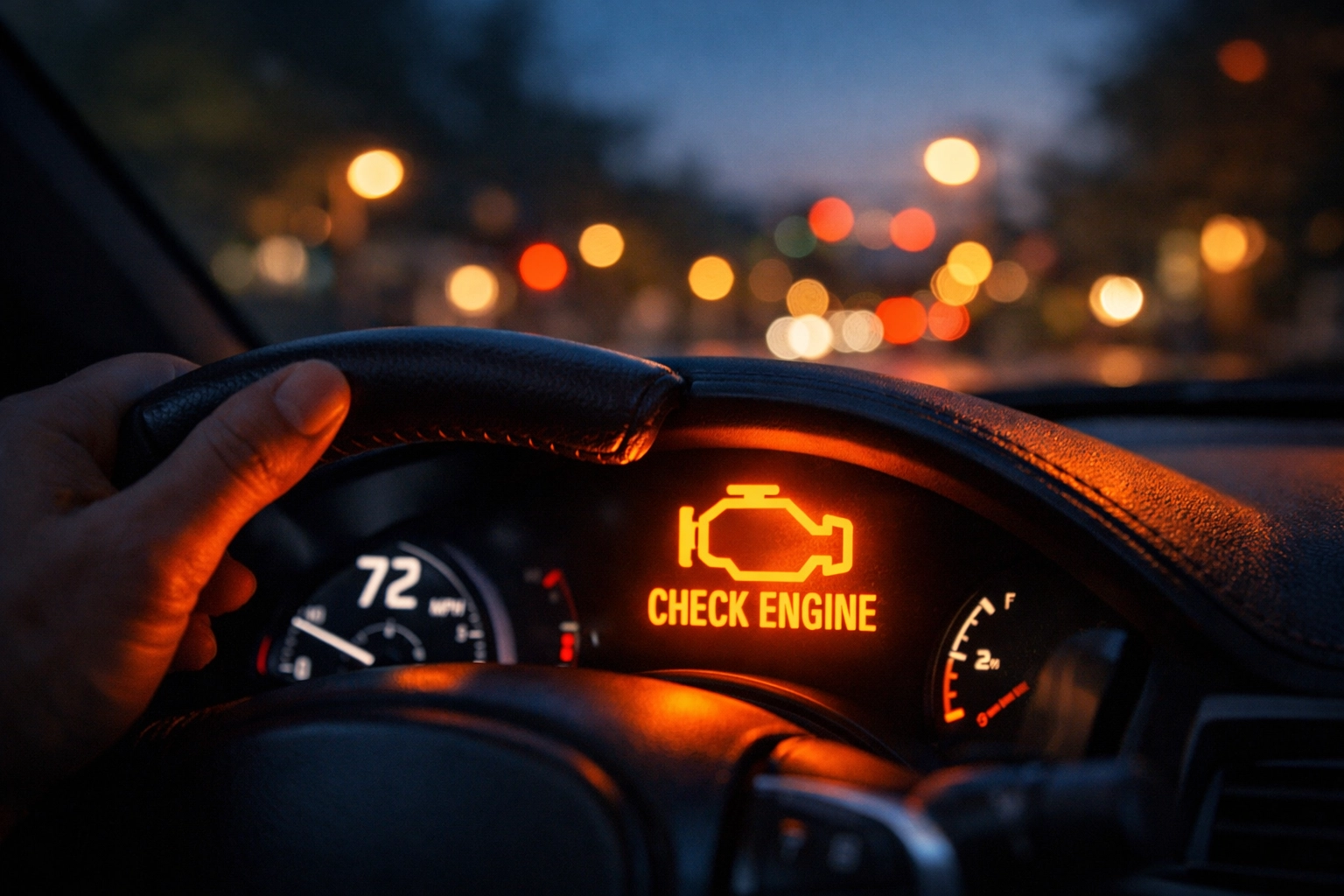
We’ve all been there. You’re driving down I-83, headed home to New Cumberland or maybe grabbing a bite in Harrisburg, and suddenly, a little orange light glows on your dashboard. It looks like a submarine or a weirdly shaped faucet. It’s the Check Engine Light.
Your heart sinks a little. Is the car about to quit? Is this going to cost more than your monthly mortgage? At Sam’s Auto Repair & Sales, LLC, we know that light causes instant stress. But here’s the honest truth: that light isn’t a death sentence for your car. It’s actually your car’s way of trying to save you money.
In the next three minutes of reading, we’re going to demystify exactly what happens when we hook your car up to our “computers” and how we get you back on the road without the guesswork.
The “Check Engine” Panic: Why Diagnostics Matter
Think of your car’s computer: the Engine Control Unit (ECU): as the brain of the vehicle. It’s constantly monitoring sensors all over your engine, checking things like air intake, fuel levels, and exhaust temperature. When something goes slightly out of whack, the ECU notices. If it stays out of whack, it flips that orange switch on your dash.
Ignoring that light is like ignoring a toothache. It might start as a dull throb (a minor sensor issue), but if you leave it alone, you’re looking at a root canal (a full engine rebuild). Professional engine diagnostics are designed to catch the problem while it’s still small.
If you’re wondering why your light is on right now, you can check out our guide on what the check engine light might mean and what to do next.
How Diagnostics Work (The 3-Minute Version)
Many people think diagnostics is just plugging in a tool and the tool saying, “Replace Part X.” We wish it were that easy! If it were, everyone would be a mechanic. Here is the reality of the process:
1. The Handshake (The OBD-II Scan)
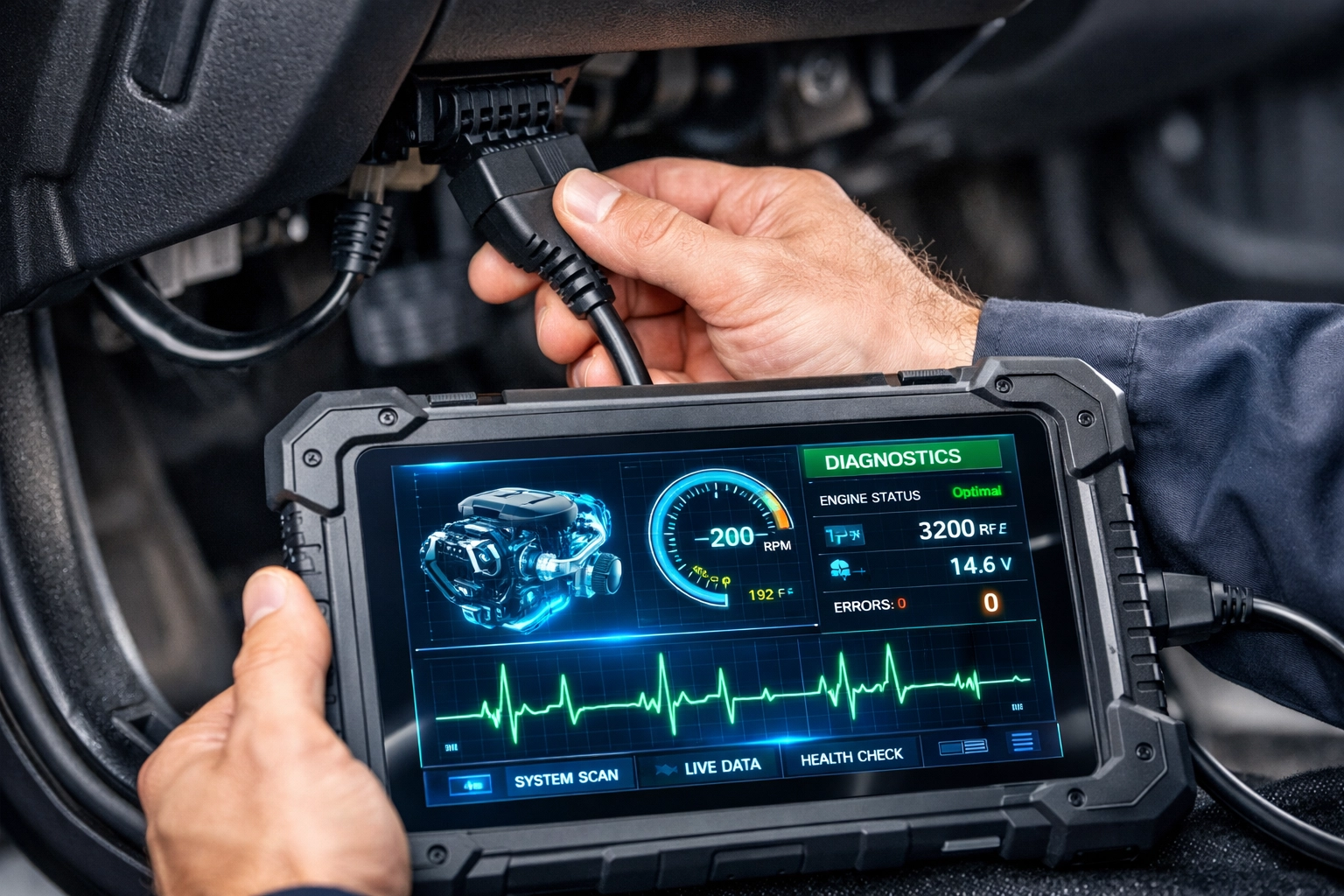
Every car made after 1996 has a port under the dash called the OBD-II port. We connect a high-powered scanner to this port. The car’s brain “talks” to our scanner and provides a code: something like P0420 or P0300.
2. The Interpretation
This code doesn’t tell us exactly what’s broken; it tells us which system is unhappy. For example, a code might say “Lean Fuel Mixture.” That could be a vacuum leak, a dirty fuel injector, or a failing fuel pump. This is where the honest expertise of a mechanic comes in. We don’t just swap parts and hope for the best.
3. The Physical Inspection
Once we have the code, we go under the hood. We test the specific components related to that code. We look for cracked hoses, frayed wires, or signs of wear. We verify the problem before we ever ask you to spend a dime on a repair.
4. The Fix and Reset
After we’ve identified the culprit, we perform the engine repair. Once the new part is in, we reset the computer and perform a test drive to make sure the “brain” is happy again.
Why a $20 Code Reader Isn’t a Mechanic
You can buy a cheap code reader at a big-box store in Harrisburg, but honestly? It usually causes more confusion than it solves. Those cheap readers give you the “what” but never the “why.”
Imagine your doctor only told you “You have a fever.” You’d want to know if it’s the flu, an infection, or just heatstroke, right? A professional diagnostic tool at Sam’s Auto provides real-time data: showing us exactly how your sensors are performing while the engine is running. That’s how professional engine diagnostics identify hidden issues that a cheap handheld scanner simply misses.
Common Issues We Find in New Cumberland
Living in the New Cumberland and Harrisburg area means our cars deal with high humidity in the summer and freezing, salt-covered roads in the winter. This environment can be tough on sensors. Here are the most common issues we see:
- Faulty Oxygen (O2) Sensors: These monitor how much unburned oxygen is in the exhaust. If they fail, your gas mileage will plummet. It’s like trying to run a marathon while breathing through a straw.
- Loose Gas Caps: Believe it or not, a loose or cracked gas cap can trigger the light because it messes with the fuel system pressure. (Always check this first!)
- Mass Airflow Sensor (MAF): This tells the car how much air is coming in. If it’s dirty, your car might stall or jerk when you accelerate.
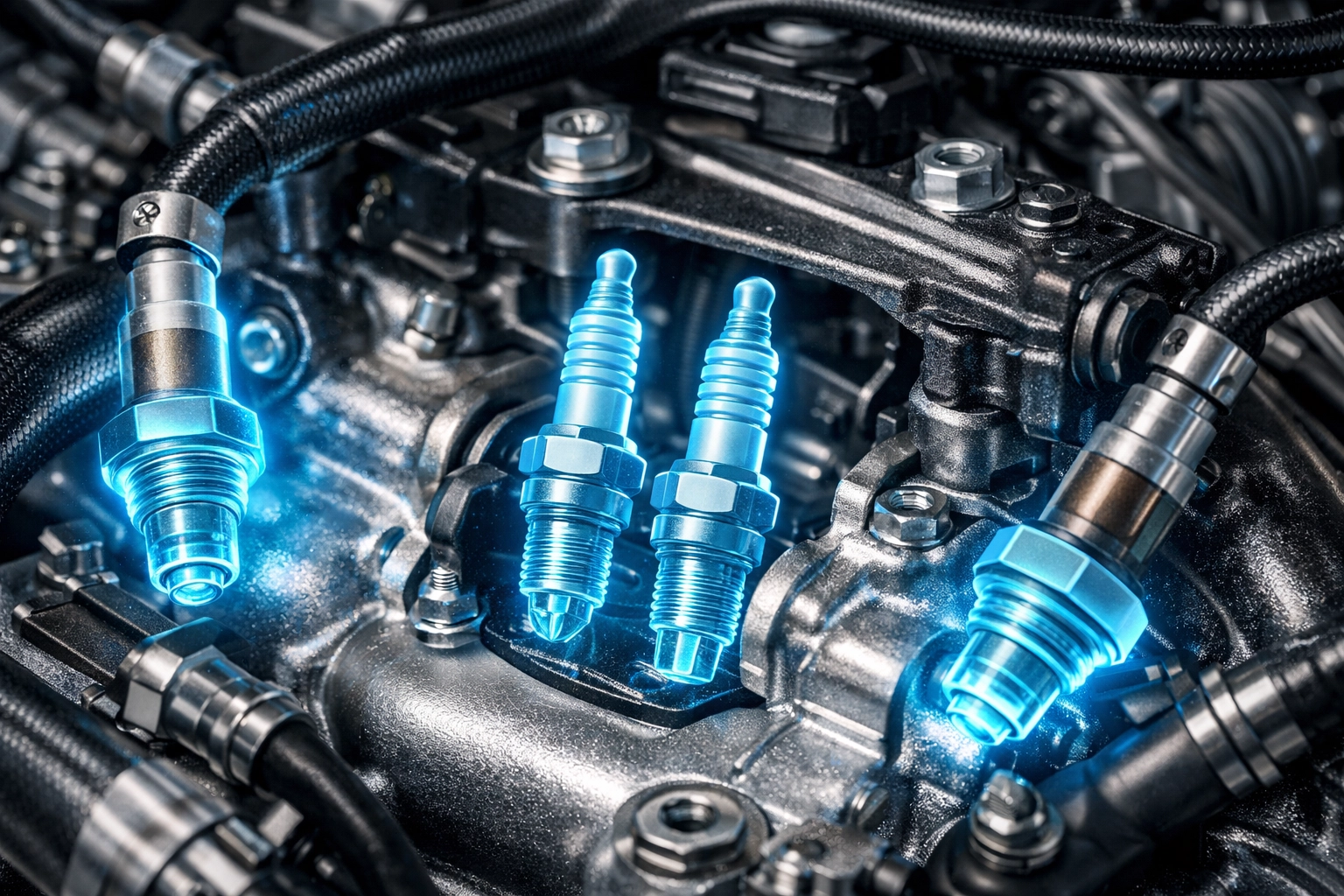
- Spark Plugs and Ignition Coils: If these are old, your engine will “misfire.” You’ll feel a shake or a shudder, especially when idling at a red light on Front Street.
The Cost of Waiting vs. The Cost of Fixing
We get it: auto repairs aren’t exactly how you want to spend your weekend budget. But engine diagnostics are all about preventative maintenance.
- Scenario A: You spend a little bit of time and money getting a diagnostic check today. We find a $150 sensor that needs replacing. You’re back on the road, and your car runs efficiently.
- Scenario B: You ignore the light for six months. That faulty sensor causes your catalytic converter to overheat and melt. Now, you’re looking at a repair bill that could easily climb over $1,500.
In the world of cars, neglect is the most expensive thing you can buy. Keeping your engine healthy is just as important as keeping your cooling system in peak condition or staying on top of oil changes.
What to Expect at Sam’s Auto Repair & Sales, LLC
When you bring your vehicle to us, we treat it like it’s our own. We aren’t here to scare you with technical jargon or “upsell” you on things you don’t need. Our reputation in the community is built on being honest.
When you come in for a diagnostic, we will:
- Give you a clear explanation of what the codes mean.
- Provide a transparent estimate before any work starts.
- Explain which repairs are urgent for safety and which ones can wait a little while.
Whether you need a simple tire repair or a deep dive into your engine’s electronics, we’ve got your back.
Protecting Your Investment
Your car is likely one of the biggest investments you own. It gets you to work, gets the kids to practice, and takes you on those weekend trips away from the city. Engine diagnostics aren’t just about turning off a light; they are about protecting your investment and ensuring your vehicle lasts for years to come.
If that light is staring you in the face, don’t wait for a breakdown. It’s much easier (and cheaper) to drive your car into the shop than it is to have it towed in.
Stop by and see us in New Cumberland. We’ll hook it up, figure it out, and give you the peace of mind you deserve. After all, life is stressful enough: your car shouldn’t add to it.

Ready for a Check-Up?
If you want to know more about what happens during a visit, read about what to expect from a full-service auto repair experience. We look forward to seeing you!