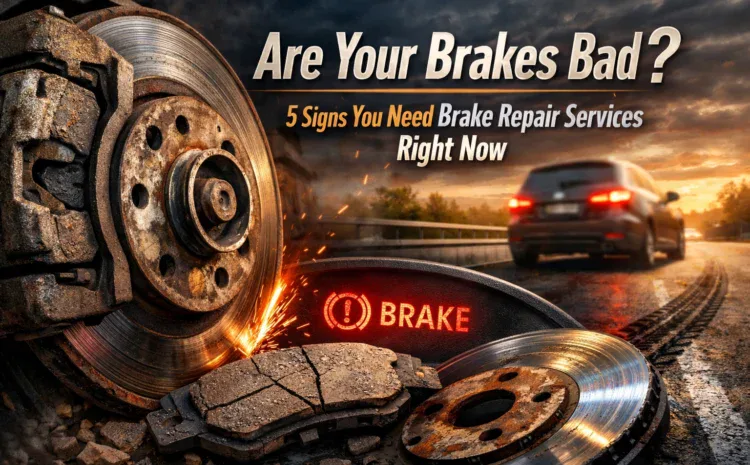
Are Your Brakes Bad? 5 Signs You Need Brake Repair Services Right Now
We’ve all been there. You’re driving down I-83, heading back home to New Cumberland or making your way into Harrisburg for work, and you tap the brake pedal. Suddenly, you hear it: a high-pitched screech that makes you cringe, or worse, a low-frequency vibration that you feel all the way up through your seat.
Your first instinct might be to turn up the radio and pretend it’s not happening. We get it. Car repairs can feel like a chore, and nobody likes an unexpected bill. But here’s the honest truth from the team at Sam’s Auto Repair & Sales, LLC: your brakes are the most critical safety feature on your vehicle. They aren’t just about stopping; they are about control, confidence, and keeping your family safe on the road.
If your car is trying to tell you something, it’s best to listen before a small “squeak” turns into a major “crunch.” Let’s walk through the five biggest red flags that mean you need brake repair services right now.
1. The High-Pitched Squeal or Metal-on-Metal Grinding
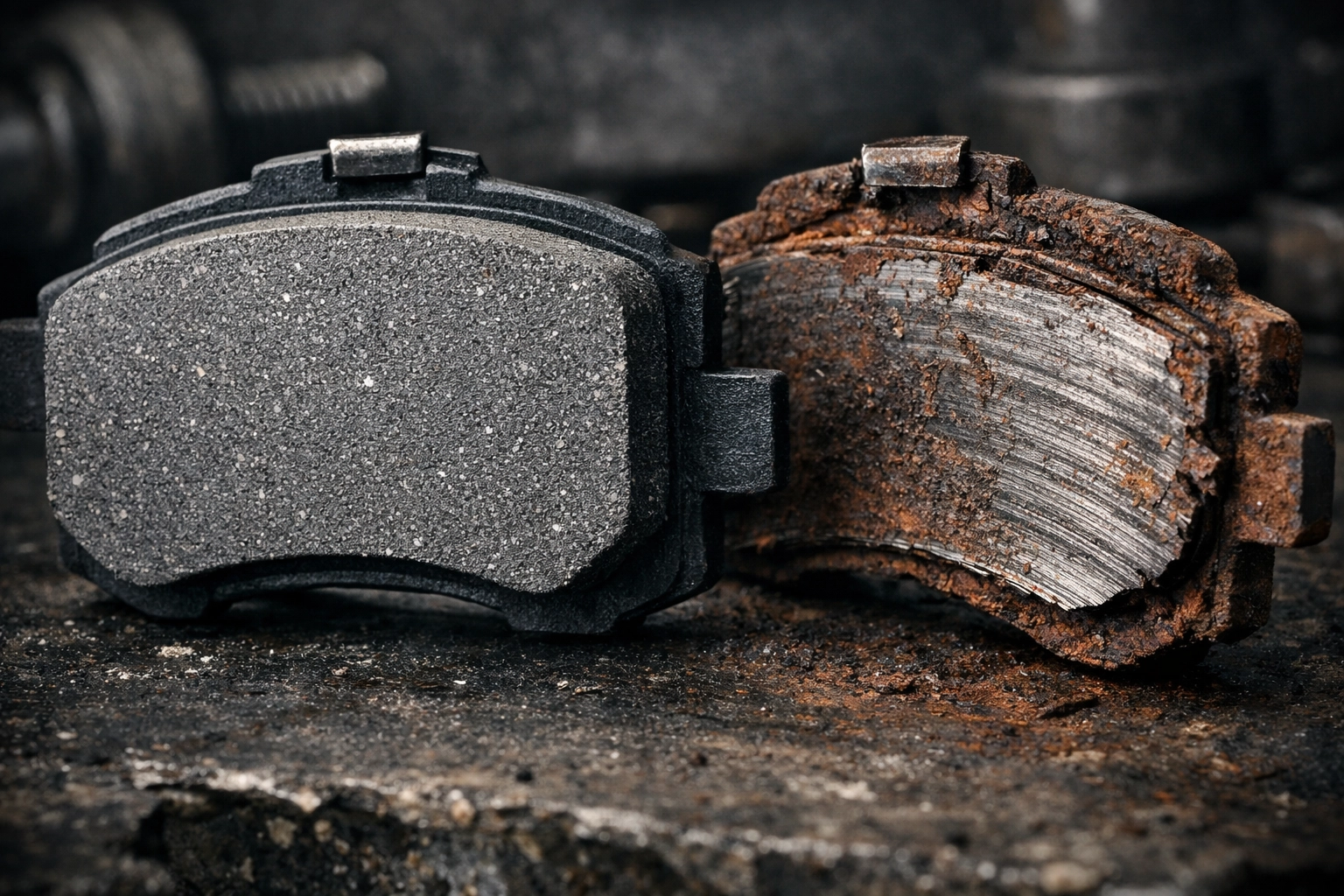
Think of your brake pads like the soles of your shoes. Over time, they wear down. Most modern brake pads are designed with a built-in “warning track”: a tiny metal shim called a wear indicator. When the friction material gets dangerously thin, this shim touches the rotor and emits a piercing squeal.
The Problem: Your brake pads are running on empty.
The Agitation: Ignoring this squeal is like ignoring a toothache. Eventually, that thin layer of padding disappears entirely. When that happens, you’ll hear a “grinding” noise. That is the sound of metal calipers clamping down directly onto metal rotors. Not only does this make it much harder to stop, but it also destroys your rotors, turning a simple pad replacement into a much more expensive repair job.
The Solution: Catching this early is the key. A quick trip to Sam’s Auto Repair for a brake inspection can save you hundreds of dollars in parts.
2. Your Car Takes Longer to Stop Than Usual
Have you noticed that you’re having to press the pedal a little earlier when approaching a red light on Simpson Ferry Road? Or maybe you feel like you’re “creeping” forward even when you think you’ve applied enough pressure?
This is often referred to as “brake fade.” It happens when the components of your braking system can’t generate the friction necessary to stop the vehicle effectively. This can be caused by worn-out pads, but it’s often a sign of overheated components or old brake fluid.
The Problem: Reduced friction and hydraulic pressure.
The Agitation: In an emergency situation: like a deer jumping out in front of you or a sudden traffic jam on the Harvey Taylor Bridge: those extra ten feet of stopping distance are the difference between a close call and a collision.
The Solution: We’ll check your pad thickness and the condition of your brake fluid. If your fluid is contaminated with moisture, it can’t compress properly, leading to that sluggish response.
3. A Shaking or Pulsating Brake Pedal
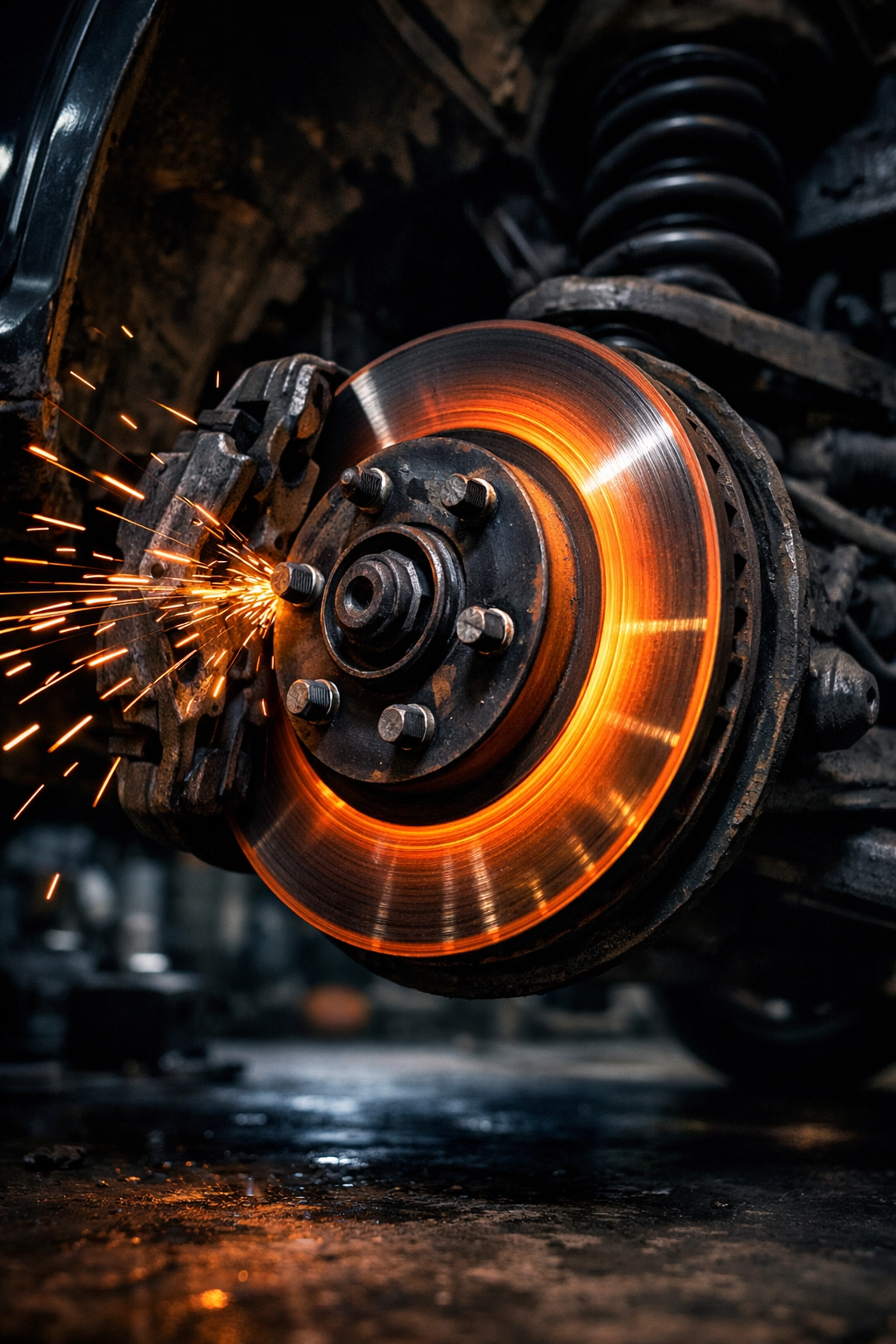
If you step on the brakes and the pedal feels like it’s doing a frantic dance under your foot, you aren’t imagining things. This vibration (or pulsation) is a classic sign of warped rotors.
Rotors are the large metal discs that your wheels are attached to. When you brake, the pads clamp onto these discs. For smooth stopping, those discs need to be perfectly flat and even. Over time, the intense heat generated by braking can cause the metal to warp or develop “hot spots.”
The Problem: Uneven rotor surfaces.
The Agitation: Beyond being annoying, warped rotors reduce the contact patch between the pad and the disc. This means your brakes aren’t working at 100% capacity. It also puts unnecessary stress on your wheel alignments and suspension system.
The Solution: Depending on the thickness left, we can sometimes “resurface” or turn the rotors to make them flat again. However, if they are too thin or badly warped, we’ll recommend a fresh set to ensure your safety.
4. The “Mushy” or Spongy Brake Pedal
When you hit the brakes, the pedal should feel firm and responsive. If it feels like you’re stepping into a bowl of mashed potatoes, or if the pedal sinks all the way to the floorboard before the car starts to slow down, you have a serious problem.
This “spongy” feeling usually indicates that air has found its way into your brake lines. Your braking system is hydraulic, meaning it relies on fluid pressure to work. Air compresses; fluid does not. If there is air in the lines, the pressure goes toward compressing the air bubbles instead of pushing the brake pads.
The Problem: Air in the lines or a failing master cylinder.
The Agitation: This is a “tow it to the shop” level of emergency. A spongy pedal can quickly lead to total brake failure. If the master cylinder (the “brain” of your brake system) is leaking internally, you might lose the ability to stop altogether.
The Solution: We perform a full system bleed to remove air and moisture, or replace the master cylinder if it’s seen better days. You can learn more about how we handle complex fixes on our automotive repair service page.
5. Your Vehicle Pulls to One Side When Braking
Does your steering wheel want to jerk to the left or right every time you slow down? This is a sign that your brakes are applying uneven pressure. It’s like trying to stop a bicycle by only grabbing one handle: it’s going to pull you off course.
This can be caused by a “frozen” or stuck brake caliper. One side is doing all the work while the other side is just along for the ride. It could also be a collapsed brake hose that is restricting fluid flow to one wheel.
The Problem: Uneven mechanical or hydraulic pressure.
The Agitation: This makes your car unpredictable. In wet or icy Pennsylvania weather, a car that pulls to one side is a recipe for a spin-out. Plus, it causes your tires to wear down unevenly, leading to even more repairs down the road.
The Solution: A thorough inspection of the calipers, slides, and hoses. We make sure every wheel is doing its fair share of the work.
Anatomy of Your Brake System: Why It Matters
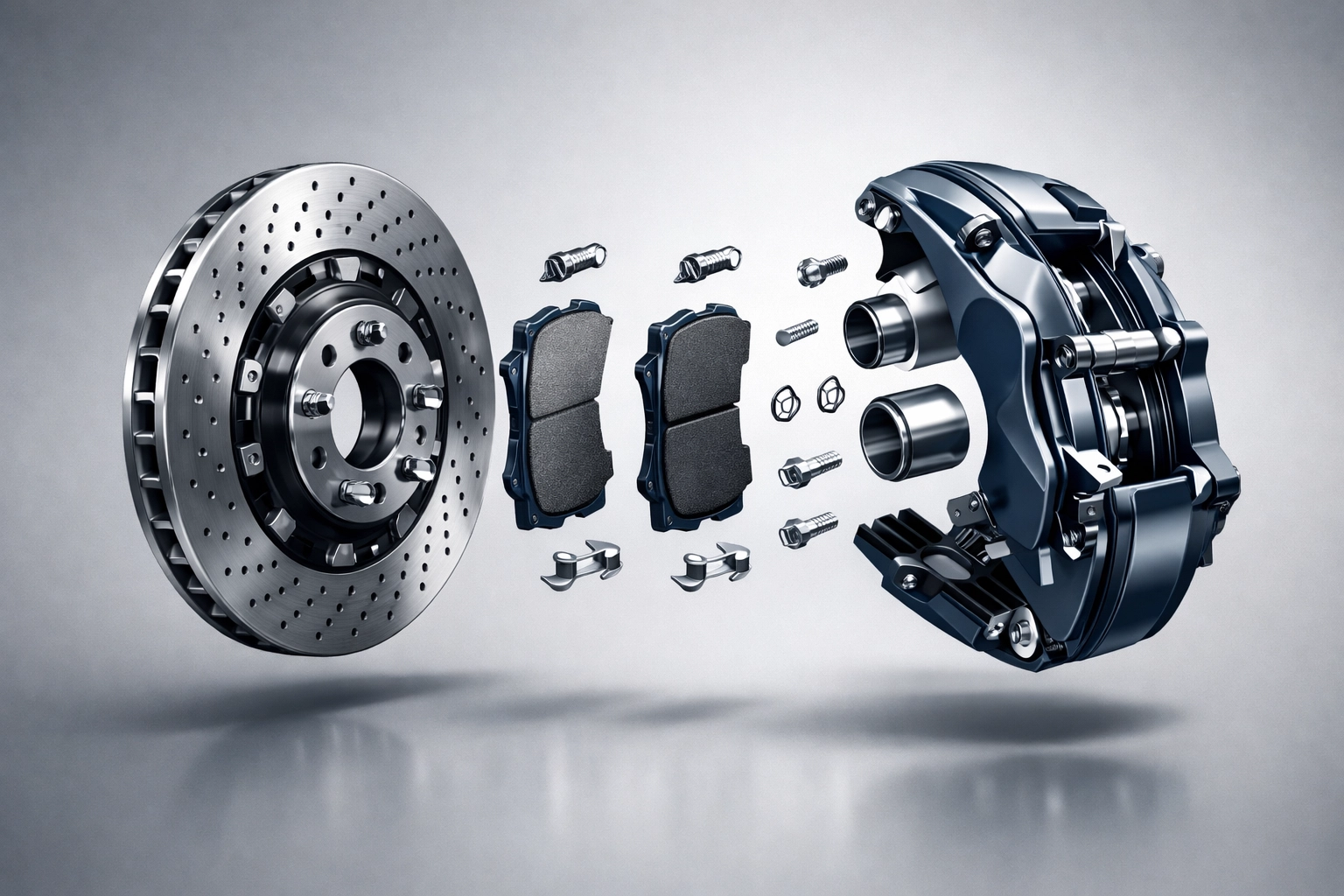
To understand why these repairs are so important, it helps to know what’s happening behind your wheels. Think of your braking system like the circulatory system of your car.
- Brake Fluid: The “blood.” It carries the pressure from your foot to the wheels.
- Master Cylinder: The “heart.” It pumps the fluid through the lines.
- Brake Lines: The “arteries.” These carry the fluid to each corner of the car.
- Calipers: The “muscles.” These squeeze the pads against the rotors.
- Pads and Rotors: The “hands.” These create the friction that actually stops the motion.
Just like you wouldn’t ignore high blood pressure, you shouldn’t ignore a leak or a worn-out component in this system. Regular maintenance, much like a dental check-up, prevents the “root canal” of auto repairs: like a full axle rebuild or a collision repair.
Cost Considerations: Pay a Little Now, or a Lot Later?
At Sam’s Auto Repair & Sales, LLC, we pride ourselves on being honest. We know that nobody wants to spend money on car parts. But look at it this way:
- Brake Pad Replacement: Relatively inexpensive and quick.
- Rotor Replacement: Moderate cost, usually done in pairs.
- Full Brake System Overhaul: Expensive (includes calipers, rotors, pads, and fluid flush).
When you catch a problem at the “squeaking” stage, you’re usually just looking at a pad replacement. If you wait until the “grinding” stage, you’ve guaranteed that you’ll need rotors too. If you wait until a caliper seizes, the bill goes up again. Proactive maintenance is the best way to protect your wallet.
Trust the Local Experts in New Cumberland
We’ve been serving the New Cumberland and Harrisburg communities for years, and we’ve seen it all: from simple pad swaps to complex engine diagnostics. Our goal isn’t just to fix your car; it’s to make sure you feel safe every time you turn the key.
Whether you’re worried about a new noise or it’s just been a while since your last check-up, come see us. We’ll give you a straight answer, a fair price, and the peace of mind that comes with knowing your brakes are ready for whatever the road throws at them.
Don’t take chances with your safety. If you’re experiencing any of these five signs, contact us today to schedule an appointment. Let’s keep you rolling: and stopping: safely.