

Brake Fluid Replacement: Why It’s Crucial for Safe Driving
When it comes to car maintenance, most drivers think of oil changes, tire rotations, or brake pad replacements. But there’s another crucial service that often gets overlooked: brake fluid replacement. Without it, your vehicle’s braking system can’t perform at its best—and that puts your safety at risk.
Brake fluid might not be something you think about often, but it’s the lifeblood of your braking system. It allows the force you apply on the brake pedal to transfer to the brake components that slow and stop your vehicle. Over time, though, brake fluid wears out, loses effectiveness, and can even become dangerous if ignored.
Let’s break down why brake fluid replacement is essential, how it works, and how often you should have it done to keep your vehicle safe on the road.
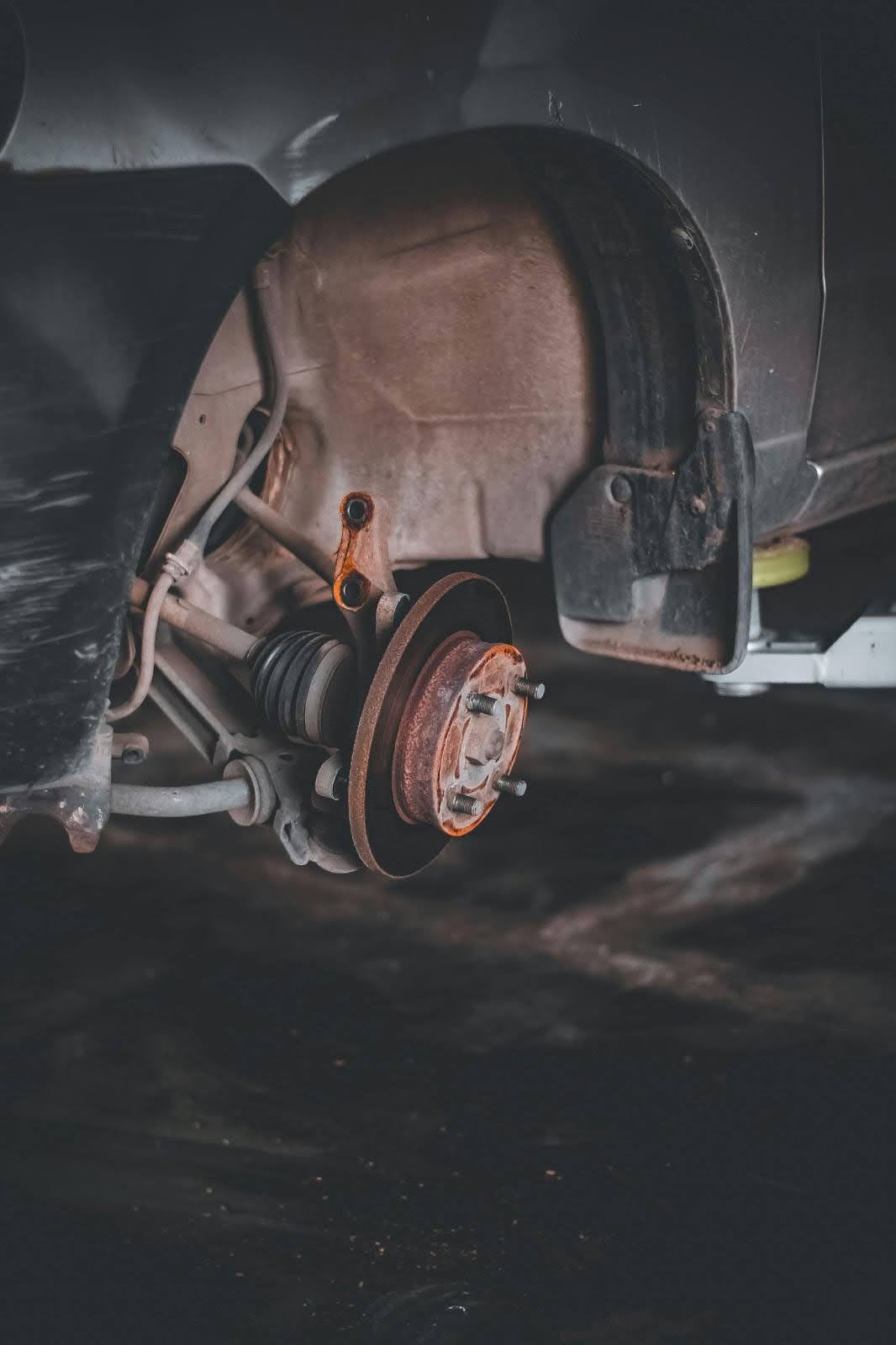
What Does Brake Fluid Do?
Your car’s braking system is a hydraulic system. When you press down on the brake pedal, it doesn’t directly stop the wheels. Instead, the brake pedal pressurizes the brake fluid, which then transmits that pressure through brake lines to your calipers or wheel cylinders. Those components push your brake pads or shoes against the rotors or drums, creating friction that slows your car.
Without brake fluid, that chain reaction simply wouldn’t happen. But here’s the catch—brake fluid isn’t indestructible.
Why Brake Fluid Replacement Is So Important
Unlike oil, brake fluid doesn’t get consumed by your car. But it does degrade. Over time, it absorbs moisture from the air, even though your brake system is sealed. That moisture contamination leads to several problems:
- Lower Boiling Point
Brake fluid is designed to handle high heat because braking creates a lot of friction. Moisture contamination lowers the fluid’s boiling point, which can cause the fluid to vaporize under hard braking. When that happens, you may experience what’s known as “brake fade”—your brakes feel spongy or may not respond at all. - Corrosion Inside the System
Water inside the brake fluid can corrode critical metal components, including brake lines, calipers, and the master cylinder. This leads to expensive repairs and unsafe driving conditions. - Reduced Brake Performance
Old or contaminated brake fluid doesn’t transfer pressure as effectively. That means longer stopping distances and less predictable braking when you need it most. - Brake Failure Risk
In extreme cases, neglected brake fluid can lead to complete brake failure. It doesn’t happen overnight, but ignoring fluid replacement increases the risk.
When you think about it, brake safety depends heavily on something as simple as keeping your brake fluid fresh.
How Often Should Brake Fluid Be Replaced?
Unlike oil, which most people know should be changed every few thousand miles, brake fluid doesn’t have a one-size-fits-all interval. The exact timing depends on your vehicle’s manufacturer guidelines, but most recommend replacement every 2 to 3 years or 30,000 miles.
Here are some additional factors that may influence how often you need brake fluid replacement:
- Driving Conditions: Stop-and-go traffic, mountain driving, or heavy braking can accelerate fluid degradation.
- Climate: High humidity increases moisture absorption. In places with wet conditions, brake fluid breaks down faster.
- Vehicle Age: Older cars may need more frequent checks since seals and components are more prone to letting in moisture.
If you’re not sure when your brake fluid was last replaced, it’s a good idea to have it tested. Many repair shops can quickly check its moisture content and boiling point to see if it’s still safe.
Signs That Your Brake Fluid Needs Replacing
Brake fluid doesn’t always show obvious symptoms when it’s going bad, but there are some warning signs to watch for:
- Spongy or soft brake pedal feel
- Longer stopping distances
- Brake warning light illuminated
- Visible dark, dirty brake fluid in the reservoir
- Grinding or unusual noises when braking (can also indicate other brake problems, but fluid issues may be involved)
Any of these symptoms are worth having checked immediately.
The Brake Fluid Replacement Process
So, what actually happens during a brake fluid replacement? While some drivers attempt it themselves, this is one service best left to a professional mechanic because it requires precision.
Here’s the general process:
- Inspection: The technician will inspect your brake system for leaks or other issues.
- Drain and Flush: The old, contaminated brake fluid is drained from the system.
- Replacement: Fresh brake fluid is added, meeting your vehicle manufacturer’s specifications.
- Bleeding the Brakes: Air bubbles are carefully removed from the brake lines, since air reduces hydraulic pressure.
- Final Check: The system is tested to ensure the brakes are responsive and safe.
It’s a straightforward service, but it makes a huge difference in your car’s performance and safety.
The Cost of Skipping Brake Fluid Replacement
Some car owners delay brake fluid replacement because it doesn’t seem urgent. But the reality is, skipping it often leads to much higher costs later.
- Brake Line Replacement: Corrosion caused by bad fluid can destroy brake lines, costing hundreds of dollars to repair.
- Master Cylinder Failure: Contaminated fluid can damage this critical part, often costing $300–$500 or more to replace.
- Caliper or ABS System Damage: Repairs here can easily climb into the thousands.
By comparison, a brake fluid flush and replacement is relatively inexpensive and provides peace of mind that your car will stop safely.

Why Brake Fluid Replacement Matters for Everyday Driving
Brake safety isn’t just about emergencies. Think about the daily moments you rely on your brakes: slowing for traffic lights, stopping in a parking lot, or navigating wet or icy roads. Each time, your brake fluid is hard at work.
Fresh brake fluid means:
- Consistent stopping power
- Confidence in emergency situations
- Protection for expensive brake components
- A safer ride for you and your passengers
Ignoring it not only risks damage to your vehicle but also jeopardizes your safety on the road.
Making Brake Safety a Priority in Harrisburg
If you live in Harrisburg, you know that daily driving conditions can be unpredictable—busy roads, stop-and-go traffic, and changing weather all put extra demand on your brakes. That’s why routine car maintenance, including brake fluid replacement, is so important.
At Sam’s Auto Repair & Sales LLC, we’ve built our reputation on keeping cars safe, reliable, and road-ready. Our ASE-certified technicians know the ins and outs of brake systems and use the latest tools to ensure your brake fluid is replaced correctly the first time. Because we also sell quality used cars, we treat every vehicle in our care with the same attention to detail and pride as if it were one of our own.
Whether you need a brake fluid replacement, a full brake inspection, or you’re searching for a dependable used car, we’re here to help you drive with confidence.
Don’t wait until your brakes feel spongy or unsafe. Schedule your brake fluid replacement with Sam’s Auto Repair in Harrisburg today and keep your vehicle’s braking system in peak condition. Call us or stop by our shop to book your appointment.