How Professional Engine Diagnostics Identify Hidden Issues
Have you ever felt that something just isn’t right with your car, even though you can’t quite put your finger on it? Maybe there’s a strange noise under the hood, a slight hesitation when you hit the gas, or that dreaded check engine light flickering on and off. Modern vehicles are marvels of engineering—packed with computers, sensors, and parts that all need to work in harmony. But sometimes, issues lurk where you can’t see them.
This is where professional engine diagnostics step in. At Sam’s Auto Repair & Sales LLC here in Harrisburg, PA, we know how essential it is to catch small problems before they become big, costly headaches. Let’s break down what engine diagnostics really are, how they help you, and why trusting a skilled team makes all the difference for your car’s performance and your peace of mind.
Your Car’s Brain: Why Engine Diagnostics Matter
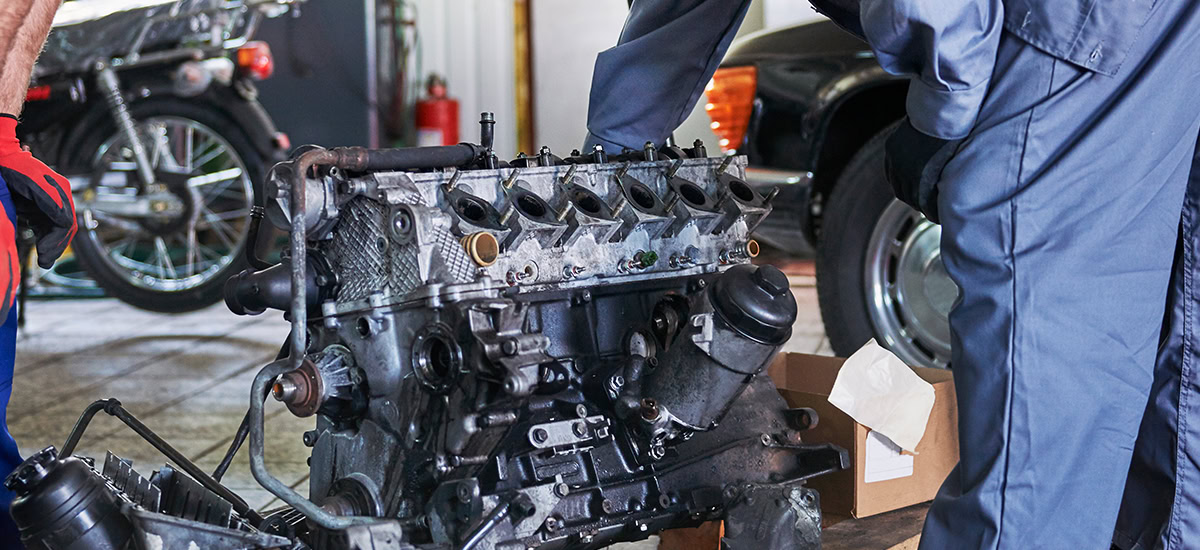
Think of your vehicle’s engine control unit (ECU) as its brain. This computer constantly gathers information from dozens of sensors monitoring everything from air flow to exhaust gases. When something isn’t working properly—maybe a sensor fails, your fuel mixture is off, or your ignition timing is misfiring—the ECU logs a trouble code. That check engine light on your dash? It’s your car’s way of asking for help.
But here’s the catch: while the light tells you there’s a problem, it doesn’t tell you exactly what or where it is. A single trouble code could have multiple possible causes. That’s why professional engine diagnostics aren’t just about plugging in a scanner and reading codes. They’re about interpreting what those codes mean in the context of your vehicle’s symptoms, mileage, and service history.
At Sam’s Auto Repair, we don’t rely on guesswork. We use state-of-the-art diagnostic tools and combine them with years of hands-on experience to pinpoint the true source of your engine troubles.
What Happens During an Engine Diagnostic?
Let’s clear up a common misconception: professional engine diagnostics go way beyond a quick code scan at a parts store. Sure, those free scans can be helpful, but they often only scratch the surface. Here’s what a real diagnostic process looks like:
1. Initial Consultation and Test Drive
Good diagnostics start with listening—both to you and to your car. Our technicians ask you about any symptoms you’ve noticed: unusual noises, stalling, poor fuel economy, or performance drops. Then, we take your vehicle for a test drive to experience the issue firsthand.
2. Advanced Scanning Tools
Next comes connecting your car to professional-grade diagnostic equipment. These tools read not only the generic trouble codes but also detailed data streams. We can see how different sensors are behaving in real time, spotting irregularities that might not trigger a check engine light yet.
3. Visual Inspections and Functional Tests
The best mechanics don’t just trust the scanner—they verify it. We may inspect wiring for corrosion, check vacuum lines for leaks, and test individual components like spark plugs, fuel injectors, or the ignition system. Sometimes, a physical inspection reveals what computers can’t.
4. Expert Analysis
Here’s where experience truly shines. A seasoned technician knows how to interpret the data and trace the root cause. Is that misfire code caused by a bad coil, a clogged injector, or a deeper mechanical issue? Professional judgment makes all the difference.
The Hidden Problems You Can’t See
Modern engines are complex. Many problems stay hidden until they snowball into bigger, costlier repairs. Here are some common examples of what engine diagnostics can uncover early:
- Failing Sensors: A faulty oxygen sensor can make your engine run rich or lean, harming fuel economy and increasing emissions.
- Vacuum Leaks: Small leaks in hoses or gaskets can cause rough idling and poor performance, but often go unnoticed.
- Weak Ignition Coils or Spark Plugs: These cause misfires that can damage your catalytic converter if left unchecked.
- Fuel System Problems: Dirty or clogged injectors can lead to poor fuel delivery and sluggish acceleration.
- Exhaust System Blockages: Restricted catalytic converters reduce power and can overheat your engine.
- Intermittent Electrical Issues: Loose connectors or corroded wiring can cause strange, inconsistent problems that diagnostics can isolate.
By catching these problems early, you protect your vehicle’s performance and save money down the road.
How Engine Diagnostics Improve Vehicle Performance
When everything in your engine runs as it should, your car operates at peak efficiency. Here’s how a thorough diagnostic and proper car engine repair can boost your driving experience:
- Better Fuel Economy: Fixing issues like bad sensors or misfires means your engine burns fuel more efficiently.
- Improved Power and Responsiveness: A healthy ignition and fuel system help you get the power you expect when you press the pedal.
- Lower Emissions: When your engine runs cleanly, you’re putting fewer pollutants into the air, good for your wallet and the environment.
- Longer Engine Life: Finding and fixing hidden issues prevents them from causing bigger damage, like ruining a catalytic converter or overheating your engine.
Why Professional Diagnostics Are Worth It
Some drivers hesitate to pay for a diagnostic fee, especially if a quick code scan seems to do the job. But here’s the reality: professional diagnostics often save you money.
Imagine chasing symptoms by replacing parts blindly—an oxygen sensor here, a coil pack there—hoping to get lucky. It adds up fast. A thorough diagnostic pinpoints the real issue the first time. You avoid unnecessary parts and labor costs and get back on the road sooner.
At Sam’s Auto Repair, we believe in fair, upfront pricing. We’ll always explain what we find, recommend the right repairs, and answer your questions honestly. No pressure. No hidden surprises.
When Should You Get a Diagnostic Check?
Some problems announce themselves loudly—like a blinking check engine light or stalling in traffic. But other times, the signs are subtle. Here are a few clues that it might be time for a professional engine diagnostic:
- You see the check engine light, even if it goes off later.
- You notice poor gas mileage.
- Your engine idles rough or hesitates when accelerating.
- You hear strange knocks, rattles, or hissing sounds under the hood.
- Your car struggles to start, especially in cold weather.
If something feels off, don’t wait. Modern engines are tough, but ignoring small issues often leads to bigger repairs.
Why Harrisburg Drivers Trust Sam’s Auto Repair
At Sam’s Auto Repair & Sales LLC, we’ve spent over 12 years building a reputation for honest, dependable automotive care in Harrisburg, PA. Our customers return because they know we do things right. We treat every vehicle in our service bay as if it were our own family’s car, because that’s how we believe auto care should be.
When you bring your car to us for an engine diagnostic, you’re not just getting a code scan. You’re getting the knowledge, tools, and integrity of a team that genuinely cares about keeping your car running its best.
Our technicians are ASE-certified, our shop is AAA-approved, and we’re an official Pennsylvania state inspection station. That means we hold ourselves to the highest standards—because your safety and satisfaction come first.
Your car deserves expert care, and you deserve peace of mind. If your check engine light is on or your car just isn’t performing like it should, don’t wait for the problem to get worse. Let Sam’s Auto Repair & Sales LLC identify and fix those hidden issues so you can drive with confidence again.
Stop by our shop here in Harrisburg, PA, or give us a call today to schedule your professional engine diagnostic. We’re ready to get you back on the road—smoothly, safely, and stress-free.