

Common Causes of Check Engine Light Alerts and How to Fix Them
For most drivers, nothing causes instant worry quite like seeing that check engine light flicker to life on the dashboard. One minute you’re cruising down an open Harrisburg road, and the next, you’re wondering if your car is about to break down or if it’s something minor you can ignore, at least for a little while.
The truth is, the check engine light is your car’s way of telling you, “Hey, something’s not quite right under the hood.” It might be as simple as a loose gas cap or as complex as a failing catalytic converter. The good news? Knowing the common culprits behind this little orange light can help you figure out what to do next—and avoid bigger headaches down the road.
At Sam’s Auto Repair & Sales here in Harrisburg, PA, we’ve seen just about every reason that the check engine light can turn on. So, let’s break down the most common causes, what they might mean for your vehicle, and how you can fix them before a minor issue turns into a costly repair.

1. Loose or Damaged Gas Cap
Let’s start with one of the easiest fixes. Believe it or not, a loose, cracked, or missing gas cap is one of the top reasons your check engine light comes on. The gas cap does more than just keep fuel from sloshing out—it seals the fuel system and helps maintain proper pressure. If it’s loose or damaged, vapors escape and your car’s onboard computer senses an issue in the evaporative emissions system.
How to Fix It:
Before you panic, pull over safely and check your gas cap. Tighten it until you hear it click. If the cap looks damaged or won’t tighten properly, it’s time for a replacement—an inexpensive fix that can save you from unnecessary stress.
2. Faulty Oxygen Sensor
Your car’s oxygen sensor (O2 sensor) measures the amount of unburned oxygen in your exhaust system. This helps the engine control unit (ECU) adjust the air-fuel mixture for optimal efficiency. A bad O2 sensor means your car may burn more fuel than needed, harming gas mileage and increasing emissions.
How to Fix It:
If your check engine light is due to a faulty oxygen sensor, you’ll want to replace it as soon as possible. Running your engine too rich or too lean for too long can damage other expensive parts like the catalytic converter. An engine diagnostics scan can confirm if this is the culprit.
3. Malfunctioning Catalytic Converter
Your catalytic converter is vital for controlling emissions. It converts harmful gases like carbon monoxide into less harmful emissions before they exit the tailpipe. If it fails, not only will your car pollute more, but it could also impact your vehicle’s performance and fuel economy.
How to Fix It:
If your catalytic converter is clogged or failing, it needs to be replaced. Unfortunately, this isn’t a DIY fix for most people—replacement can be costly, but putting it off can lead to worse problems. Regular maintenance, like timely oil changes and replacing faulty O2 sensors, can help prevent catalytic converter failure in the first place.
4. Worn Spark Plugs or Ignition Coils
Spark plugs ignite the air-fuel mixture in your engine’s cylinders. Ignition coils provide the electricity that the plugs need to do their job. Worn or failing plugs or coils can cause misfires, poor acceleration, reduced fuel economy, or even damage to the catalytic converter if left unchecked.
How to Fix It:
Replacing spark plugs and ignition coils is a standard part of vehicle maintenance. Check your owner’s manual for recommended intervals—usually around every 30,000 to 100,000 miles, depending on your car and the type of plugs it uses.
5. Mass Airflow Sensor (MAF) Issues
Your mass airflow sensor measures how much air enters the engine so the computer can inject the right amount of fuel. If the MAF sensor fails, it can cause rough idling, stalling, or poor fuel economy.
How to Fix It:
Sometimes, cleaning the MAF sensor can resolve the issue, but if it’s damaged, it will need to be replaced. Regularly changing your air filter can help extend the life of your MAF sensor.
6. Bad Battery or Charging System
Modern cars rely heavily on electronics, and the check engine light sometimes signals an issue with your battery or alternator. A failing battery can trigger various warning lights, not just the battery light.
How to Fix It:
Have your battery and charging system tested. If the battery is old or can’t hold a charge, it’s time for a replacement. Catching this early can save you from being stranded on the side of the road.
7. Vacuum Leak
Your engine’s vacuum system does many jobs—from helping your brake booster work to managing emissions. Over time, vacuum hoses can crack or come loose, leading to rough idling or increased RPMs.
How to Fix It:
A mechanic can track down a vacuum leak using smoke machines or engine diagnostics tools. Hoses are relatively cheap parts, so fixing a leak promptly helps avoid larger issues.
8. Exhaust Gas Recirculation (EGR) Valve Failure
The EGR valve reduces emissions by recirculating a portion of the exhaust back into the engine cylinders. If this valve gets clogged or stuck, it can trigger your check engine light and cause rough idling or stalling.
How to Fix It:
Cleaning or replacing the EGR valve usually solves the problem. This is another area where regular maintenance helps keep things flowing smoothly.
Why You Shouldn’t Ignore a Check Engine Light
Some drivers keep rolling with the check engine light on for weeks, hoping it’ll just turn off on its own. While some problems might be minor, ignoring that light is risky. A small issue today can damage more expensive parts tomorrow.
When that car warning light turns on, your vehicle is trying to save you from surprise breakdowns or higher repair bills down the road. Getting an engine diagnostics scan quickly helps pinpoint the cause so you can fix it before it becomes a wallet-drainer.
Can You Drive with the Check Engine Light On?
It depends. If the light is steady and the car drives normally, you’re usually safe to drive it a short distance—to work, to your trusted mechanic, or back home—without immediate danger. But if the light is flashing, that’s a sign of a serious problem, like a misfire that could damage the catalytic converter. In that case, pull over safely and call for assistance.
Regular Maintenance Can Help Keep the Light Off
While you can’t prevent every surprise, sticking to your car’s recommended maintenance schedule goes a long way. Regular oil changes, air filter replacements, spark plug checks, and fuel system cleanings keep your engine running efficiently—and your check engine light off.
If you’re buying a used car, make sure it’s been well-maintained. At Sam’s Auto Repair & Sales, every vehicle in our lot is thoroughly inspected so you can drive off with confidence, knowing you won’t be surprised by a lurking check engine light.
What to Do When the Check Engine Light Turns On
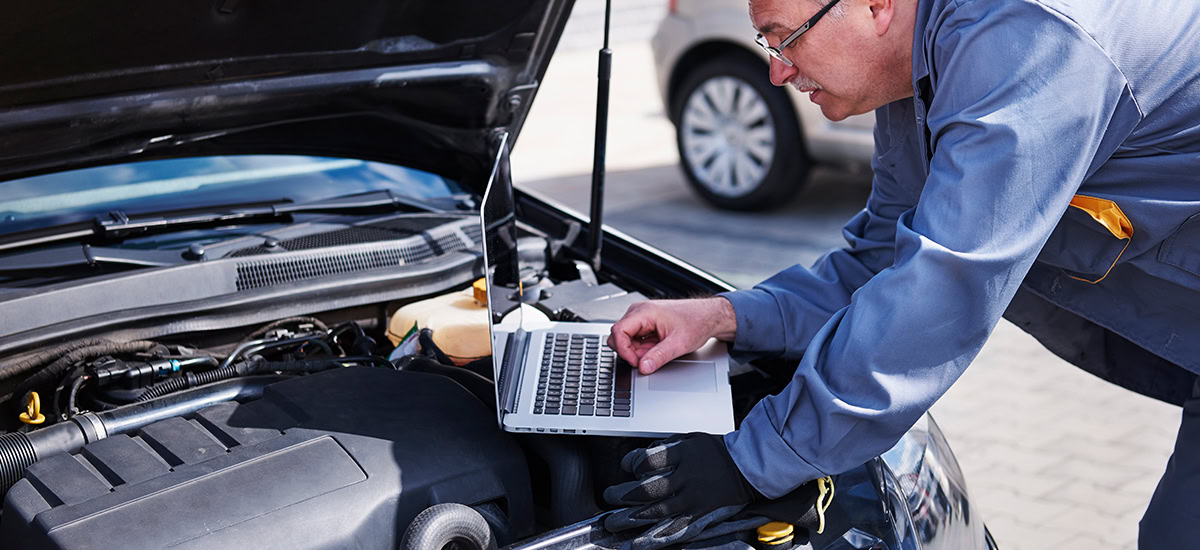
When that dreaded light pops on, don’t guess—get it checked out. A professional scan will tell you what’s wrong, saving you time and money. At Sam’s Auto Repair here in Harrisburg, we use state-of-the-art engine diagnostics tools to find out exactly what your car needs, so you’re never paying for unnecessary repairs.
Trust Sam’s Auto Repair & Sales to Keep Your Car Running Right
At the end of the day, your car works hard to get you where you need to go. When it asks for help—like flashing that check engine light—it pays to listen. If you’re in Harrisburg, PA, and your car warning light comes on, bring it to Sam’s Auto Repair & Sales. Our skilled, experienced technicians will handle it with the same care we’d give our own vehicles.
Whether you need a quick fix, a major repair, or you’re ready to upgrade to a reliable used car, we’re here for you. Visit Sam’s Auto Repair & Sales today and drive away with peace of mind, knowing your vehicle is in good hands.