
Hybrid Vehicle Maintenance 101: A Beginner’s Guide to Keeping Your Electrified Car Running
So, you finally did it. You traded in the gas guzzler for a sleek, quiet hybrid. You’re loving the fuel economy, the silent startups, and that smug (but well-deserved) feeling of doing something good for the environment. But then, a thought creeps in while you’re cruising down the bypass: Wait, how do I actually take care of this thing?
Does a hybrid need a special kind of doctor? Is the battery going to explode if you don’t whisper sweet nothings to it? If you’ve been feeling a bit of “new tech anxiety,” take a deep breath. At Sam’s Auto Repair & Sales, LLC, we believe in being honest with our neighbors. The truth is, while hybrids have some unique needs, they aren’t nearly as high-maintenance as some people make them out to be.
However, ignoring those few unique needs can lead to a repair bill that’ll make your eyes water. If you want to protect your investment and keep that fuel efficiency high, you need a solid plan for vehicle maintenance PA. Let’s dive into the nuts and bolts (and volts) of hybrid ownership.
The “Dual Life” of Your Hybrid
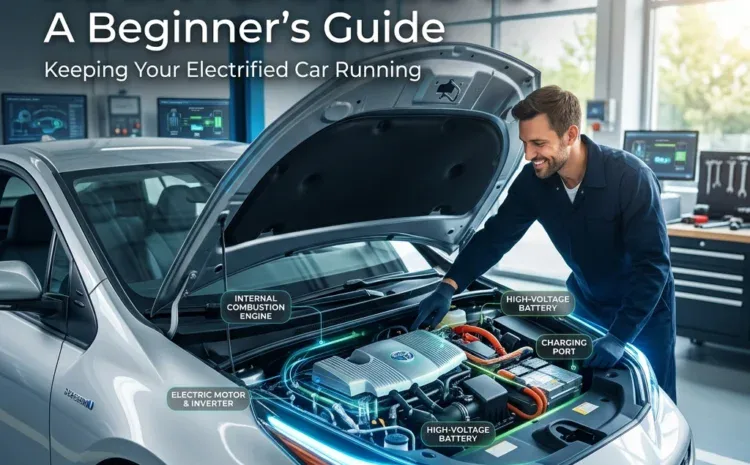
Think of your hybrid vehicle like a high-end athlete. It’s got two “muscle groups” working together: a traditional internal combustion engine (ICE) and an electric motor powered by a high-voltage battery pack.
Because it has two systems, some people assume maintenance is doubled. It’s not! In fact, because the two systems share the workload, some parts: like your brakes: actually last much longer than they would on a standard car. But just like an athlete needs a balanced diet and regular checkups, your hybrid needs specific care to keep those two systems playing nice together.

1. The Heart of the Matter: The Hybrid Battery
The big, high-voltage battery is the most expensive component in your car. It’s designed to last a long time: usually 8 to 10 years or well over 100,000 miles: but it’s not invincible.
The “Use It or Lose It” Rule
One of the biggest mistakes hybrid owners make is letting the car sit for too long. Unlike a standard gas car that might just need a jump start after sitting for a month, a hybrid battery can suffer “unbalanced” cells if it isn’t used. We recommend driving your hybrid at least 400 miles per month. This keeps the electricity flowing and ensures the battery cells stay conditioned.
Watch Out for Water
Water is the natural enemy of high-voltage electronics. We’ve seen cases where a simple trunk leak or a spilled gallon of water in the cargo area seeped down into the battery housing, causing thousands of dollars in damage. Regularly check your trunk and floorboards for moisture, especially after those heavy Pennsylvania rainstorms. If you notice a damp smell or see condensation, get it checked out immediately.
2. Keeping Your Cool: Inverters and Fans
If the battery is the heart, the cooling system is the lungs. Hybrids generate a lot of heat: not just from the engine, but from the electrical conversion process.
The Inverter Cooling System
Your car has an “inverter” that converts DC power from the battery to AC power for the motor. This component gets incredibly hot. Most hybrids have a dedicated cooling system just for the inverter. If this coolant gets low or dirty, your car might go into “limp mode” or, worse, fry the electronics. Check your manual, but generally, you’re looking at a flush every 50,000 to 100,000 miles.
The Battery Air Filter
Did you know many hybrids have an air intake vent for the battery, usually located near the back seats? If you have a shedding dog or kids who love throwing Cheerios, that vent can get clogged. If the battery can’t breathe, it overheats. Cleaning or replacing the battery fan filter is a small task that prevents a massive headache.

3. Regenerative Braking: The Hidden Perk
One of the coolest things about a hybrid is regenerative braking. When you lift your foot off the gas or lightly press the brake, the electric motor reverses direction, acting as a generator to recharge the battery. This process also slows the car down.
Because the motor is doing the heavy lifting to slow you down, your actual brake pads and rotors don’t get used nearly as much. It’s not uncommon for hybrid brake pads to last twice as long as traditional ones!
The Agitation: However, there’s a catch. Because they aren’t used as often, brake components in the Northeast can fall victim to rust and corrosion from road salt. You might have 70% of your pad left, but if the caliper is frozen solid from salt, you aren’t stopping safely. This is why regular brake inspections are still vital for vehicle maintenance PA.
4. Don’t Forget the “Old School” Stuff
Just because your car has a fancy motor doesn’t mean it can skip the basics. It still has an engine, and that engine still needs “blood.”
- Oil Changes: Even if the engine isn’t running 100% of the time, the oil still breaks down and collects moisture. Following a strict oil change schedule is essential. And since hybrid engines stop and start frequently, using the right synthetic oil is a must for protection during those cold starts.
- Tires: Hybrids are heavy because of the batteries. This extra weight puts more pressure on your tires. If you aren’t checking your tread and rotating them every 5,000 miles, you’ll find yourself buying new tires way sooner than you expected.
- The 12-Volt Battery: Most hybrids still have a standard 12-volt battery (like a normal car) to run the computers and lights. If this small battery dies, the whole car won’t start: even if the big hybrid battery is full! We recommend testing it every year.

5. Maintenance Metaphor: The Dental Checkup
We like to compare car maintenance to going to the dentist.
- Brushing/Flossing: This is you driving the car regularly and keeping the air vents clear.
- Cleaning: This is your routine oil change and tire rotation.
- The Root Canal: This is what happens when you ignore a weird noise or a check engine light.
Preventative maintenance costs a little bit now to save you a fortune later. In the world of hybrids, “later” can be a very expensive place to be if you aren’t careful.
Cost Considerations: Is it More Expensive?
Let’s talk numbers, because at Sam’s, we believe in transparency.
Over the first 5 years, a hybrid is often cheaper to maintain than a gas car because of the reduced wear on the engine and brakes. The “cost” usually comes in the form of specialized knowledge. You can’t just take a hybrid to any shop that still thinks carburetors are high-tech. You need a team that understands professional engine diagnostics and the specific electrical architecture of these vehicles.

The PA Factor: Potholes and Salt
Living in Pennsylvania presents unique challenges. Our hills demand more from the hybrid battery’s regenerative system, and our winter roads are coated in chemicals that love to eat away at your undercarriage.
When you bring your car in for auto repair, we don’t just look at the computer codes. We look for the physical wear and tear that our local environment causes. Whether it’s a suspension issue from hitting a New Cumberland pothole or salt buildup on your brake lines, we catch it before it becomes a safety hazard.
Peace of Mind is Part of the Package
Owning a hybrid shouldn’t be stressful. It should be a rewarding experience that saves you money at the pump and provides a smooth, modern ride. By following the manufacturer’s schedule and keeping an eye on the hybrid-specific components we’ve discussed, you’re protecting one of your biggest investments.
If you’re ever unsure about a sound your car is making, or if that “Ready” light is taking a little too long to pop up, come see us. We’ll give you an honest assessment and help you stay on top of your vehicle maintenance PA so you can drive with confidence.
Ready to give your hybrid the care it deserves? Contact us today to schedule a full-service checkup and keep your electrified ride running at peak performance!